12 Avoid Soft Drink
12 Health Awareness Tips – Avoid Soft Drink Part – 12 / Total 21 part
Health Awareness and Life Changing Seminar – All 21 Tips
12ht Avoid Soft Drinks : The Hidden Cost of Every Sip
12ht Avoid Soft Drinks – In today’s fast-paced world, grabbing an ice-cold soft drink has become second nature. Whether paired with a quick lunch, enjoyed during a movie, or downed as a midday pick-me-up, carbonated beverages are deeply woven into our daily routines. However, beneath that satisfying fizz and sweet taste lies a harsh reality: soft drinks are one of the single biggest threats to your long-term health.
If you have been thinking about cutting back or quitting soda altogether, understanding what happens inside your body every time you drink one might give you the push you need.
The Hidden Danger: Excess Added Sugar
The primary concern with regular soft drinks is their astronomical sugar content. A single $12text{-ounce}$ ($355text{ ml}$) can of soda typically contains around 39 grams of added sugar—roughly 10 teaspoons. This single drink exceeds the maximum daily limit of added sugar recommended by health organizations for an entire day.
When you consume liquid sugar:
-
Rapid Blood Sugar Spikes: Liquid sugar is absorbed by your bloodstream almost instantly, forcing your pancreas to pump out massive amounts of insulin. Over time, these frequent spikes lead to insulin resistance, the primary driver of Type 2 diabetes.
-
Visceral Fat Storage: Your liver processes fructose (a component of sugar and high-fructose corn syrup). When overloaded, it converts excess fructose directly into fat, leading to non-alcoholic fatty liver disease and dangerous abdominal fat.
Beyond Sugar: What Soda Does to Your Body
It isn’t just the sugar that makes soft drinks detrimental. The rest of the ingredient list carries its own set of health risks:
1. Tooth Decay and Enamel Damage
Soft drinks are high in phosphoric acid and citric acid, which severely erode tooth enamel. Paired with high sugar content, which feeds harmful bacteria in your mouth, soft drinks create a perfect environment for cavities, gum disease, and tooth decay.
2. Weakened Bone Density
Frequent consumption of soda—particularly colas—has been linked to lower bone mineral density. Phosphoric acid interferes with calcium absorption, while high sugar intake promotes calcium loss through urine, making bones more brittle over time.
3. Increased Risk of Heart Disease
Studies consistently show that people who regularly drink sugary beverages have a significantly higher risk of developing cardiovascular issues. Excess sugar contributes to chronic inflammation, high blood pressure, elevated triglycerides, and poor cholesterol profiles.
What About Diet Drinks?
Switching to diet soda might seem like a smart solution, but it isn’t a free pass. Artificial sweeteners can disrupt your gut microbiome, alter appetite signals, and keep your palate accustomed to hyper-sweet flavors. Research suggests that diet sodas do not effectively reduce the risk of metabolic issues or weight gain compared to water.
Final Thoughts
Giving up soft drinks is one of the quickest, most impactful decisions you can make to improve your overall health. From boosting your energy levels and protecting your teeth to reducing your risk of chronic diseases, the benefits begin the moment you make the switch.
Next time you reach for a beverage, choose one that truly nourishes your body. Your future self will thank you!
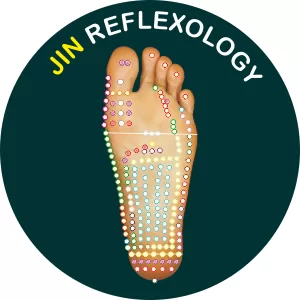
JIN Reflexology Foot
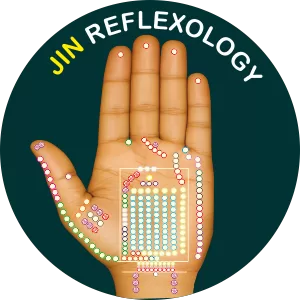
JIN Reflexology Hand