

Encyclopedia of Reflexology
Encyclopedia of Reflexology: The Ultimate Guide to History, Science, and Healing
Encyclopedia of Reflexology - Reflexology is a holistic, non-invasive therapy centered on the core principle that specific pressure points on the feet, hands, and ears directly correspond to different organs, glands, and systems throughout the body. By applying controlled pressure to these reflex areas, reflexologists aim to restore natural energy flow, alleviate stress, enhance blood circulation, and ultimately stimulate the body’s innate self-healing mechanisms.
This encyclopedia represents a comprehensive archive documenting the rich past, active present, and promising future of reflexology and complementary pressure therapies worldwide.
1. History and Evolutionary Timeline
The roots of reflexology reach deep into ancient civilizations, where pressure point therapy was integrated into traditional healing practices long before modern medical terminology existed.
Ancient Beginnings: Archeological evidence highlights foot and hand massage in ancient Egypt, China, and India. For example, a famous wall painting found in the tomb of Ankhmahor at Saqqara (circa 2330 BCE) depicts physicians treating patients by applying pressure to the soles of the feet and the palms of the hands.
Zone Therapy Foundations: Later, in the early 20th century, Dr. William H. Fitzgerald introduced "Zone Therapy" to Western medicine. Specifically, he discovered that applying pressure to specific zones in the hands or feet induced an analgesic effect in corresponding parts of the body.
Development of Modern Reflexology: Building upon this foundation, Eunice D. Ingham expanded zone therapy during the 1930s by mapping the feet with exact reflex points corresponding to specific body organs. Consequently, her pioneering work laid the groundwork for the modern reflexology maps and clinical techniques practiced today.
2. Global Icons, Contributors, and Institutions
Over time, the global growth of reflexology has been powered by dedicated institutes, researchers, authors, and master practitioners who have organized training frameworks and expanded therapeutic systems:
Pioneering Authors & Instructors: Visionaries and educators have written classic textbooks, thereby demystifying reflex zone maps and standardizing clinical practices across continents.
Institutes & Organizers: Organizations such as JIN Reflexology have played a crucial role in promoting health awareness. In addition to conducting professional training diplomas, they regularly host seminars and offer structured education in reflexology, acupressure, and magnet therapy.
System Inventors: Furthermore, master practitioners continuously innovate by introducing specialized modalities that combine traditional reflex points with magnet therapy, acupressure protocols, and modern diagnostic tools.
3. Reflexology Methods and Working Mechanics
To achieve therapeutic outcomes, reflexology utilizes targeted finger and thumb manipulation techniques on key reflex zones.
How the Process Works
Neurological Stimulation: Because the feet and hands contain thousands of nerve endings, stimulating these reflex zones sends sensory signals through the spinal cord to the central nervous system. As a result, this helps lower stress responses and promote systemic relaxation.
Improved Circulation and Lymphatic Flow: Focused pressure also helps clear metabolic waste, improves local blood supply, and aids the lymphatic system in draining toxins.
Energy Unblocking: Drawing from traditional meridian theories, reflexology helps clear blocked energy channels, thus allowing vital life force to flow freely throughout all body systems.
Primary Modalities
Foot Reflexology: As the most widely practiced form, it targets the detailed maps located on the soles, sides, and tops of the feet.
Hand Reflexology: In contrast, hand reflexology is ideal for quick self-care, accessible therapy, or situations when foot access is restricted.
Integrative Pressure Therapies: Moreover, many practitioners combine standard reflexology with acupressure and magnetic therapy to enhance overall treatment outcomes.
4. Key Health Benefits
When practiced regularly, reflexology offers a broad spectrum of preventative and therapeutic health benefits:
Stress Reduction & Deep Relaxation: Induces a parasympathetic state, thereby reducing cortisol levels and easing mental strain.
Pain Management: In particular, it helps ease chronic conditions such as back pain, migraines, joint stiffness, and arthritis.
Improved Sleep Quality: Promotes healthier sleep cycles and subsequently relieves symptoms of insomnia.
Enhanced Digestion & Circulation: Stimulates sluggish digestive organs while simultaneously improving peripheral vascular flow.
5. Scientific Research and Modern Applications
Today, modern reflexology places a strong emphasis on evidence-based research, case studies, and clinical integration:
Clinical Studies: Research continues to investigate reflexology's role as a complementary therapy in oncology care, post-operative recovery, anxiety management, and hormonal balance.
Case Documentation: Simultaneously, detailed case studies track patient improvements across diverse health conditions, further reinforcing reflexology’s value alongside conventional healthcare.
6. Preserving Knowledge: Contributing to the Encyclopedia
In conclusion, the ongoing compilation of the Encyclopedia of Reflexology invites researchers, educators, practitioners, and institutions to contribute historical clips, articles, research findings, and clinical case studies. By documenting past heritage, current practices, and future innovations together, this encyclopedia serves as an essential global resource for holistic healing knowledge.
History
- Time Line.
- Ancient Article
- Old age tradition
- Earlier evidence
- scripture
Reflexology Icon of World
- Institute Organizer.
- Book Writer
- Significant Contributor.
- Trained a Lots of Student
- Inventors any system
Reflexology Mathod
- Type
- How Do Process
Photo Gallery
- Glimpses
- Ancient
- Clips
- Techniques
- Treatment Center
Text Article
- Science
- Techniques
- Research
- Case Study
- Vision
Illustrate
- Slogan
- Clips
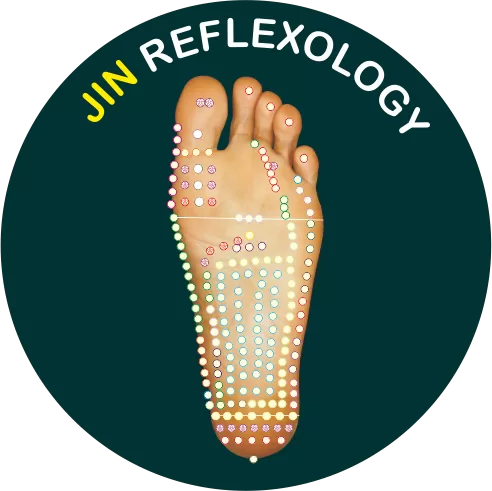
JIN Reflexology Foot
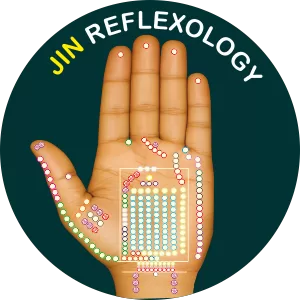
JIN Reflexology Hand